
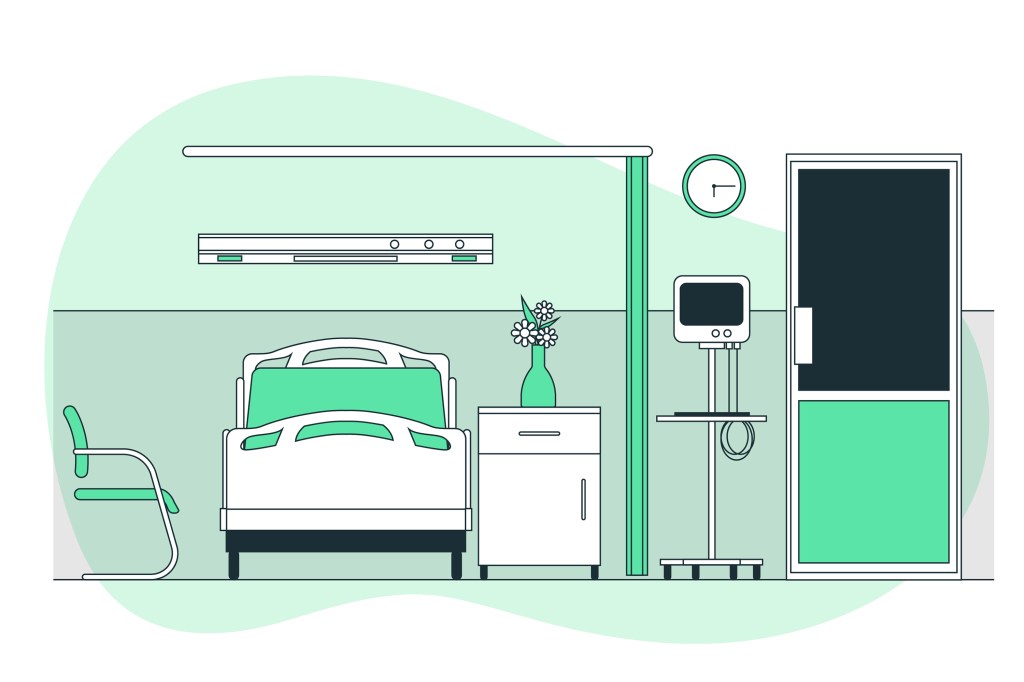
Giving birth is one of the most significant experiences in a woman’s life. As a Muslim woman, you may have specific preferences that you want to be respected during labor and delivery.
Communicating your needs in advance can help ensure a comfortable and positive birth experience. Here are four key things you can request to align your hospital stay with your personal needs and principles.
- Create and Share a Birth Plan
One of the most effective ways to communicate your needs is by creating and sharing a birth plan.
This document should outline your preferences regarding modesty, such as requesting female healthcare providers and ensuring minimal exposure. It should also specify any dietary needs, including halal or vegetarian options.
Providing this plan in advance allows the hospital staff to better accommodate your requests and ensure that your experience aligns with your values.
- Ensure Privacy and Modesty
Maintaining privacy and modesty during labor is essential for many Muslim women.
You can request a female healthcare provider whenever possible and limit the number of people in the room during examinations and delivery. If you are uncomfortable with male medical students being present, you have the right to decline their presence.
Also, bringing your own loose-fitting gown or coverings can help you feel more comfortable.
After delivery, you can ask hospital staff to place a sign on your door indicating that no men should enter without permission, ensuring that your privacy and comfort continue to be respected.
- Create Spiritual Comfort
Creating a spiritually comforting environment can also play a crucial role in easing the labor process.
You may request to play Quran recitations, dhikr, or calming nature sounds to bring peace and tranquility. Some women find comfort in using scented items like musk or lavender to create a soothing atmosphere.
After delivery, it is a Sunnah to recite the Adhan in the baby’s ear, and you can ask your husband or a trusted family member to do so.
- Request Halal Food Options
Dietary restrictions can be a concern during a hospital stay, especially in non-Muslim-majority countries.
It is advisable to check in advance if the hospital provides halal meals or other suitable alternatives. If necessary, you can bring your own food to ensure that your dietary preferences are met. Ordering food from outside may also be an option if the hospital’s meals do not align with your requirements.
Conclusion
It’s important to advocate for a birth experience that aligns with your religious and personal needs. In non-Muslim-majority countries, healthcare providers may not always be familiar with the preferences of Muslim women, so communicating your requirements clearly is essential. May Allah (SWT) grant you an easy delivery and bless your family with health and happiness. Ameen.
About the Authors
This article was written by the Afifa App team in collaboration with Sarah Berdouk, a clinical nurse working in the delivery room at Hôpital Maisonneuve-Rosemont and in a pharmacy. Sarah holds a bachelor’s degree in nursing from the University of Montreal and is committed to providing the best care and guidance for expectant mothers. Through her experience in both hospital and pharmacy settings, she ensures that women receive personalized support, expert advice, and the highest quality of care.
Image designed by Freepik

 Afifa app
Leave a comment