
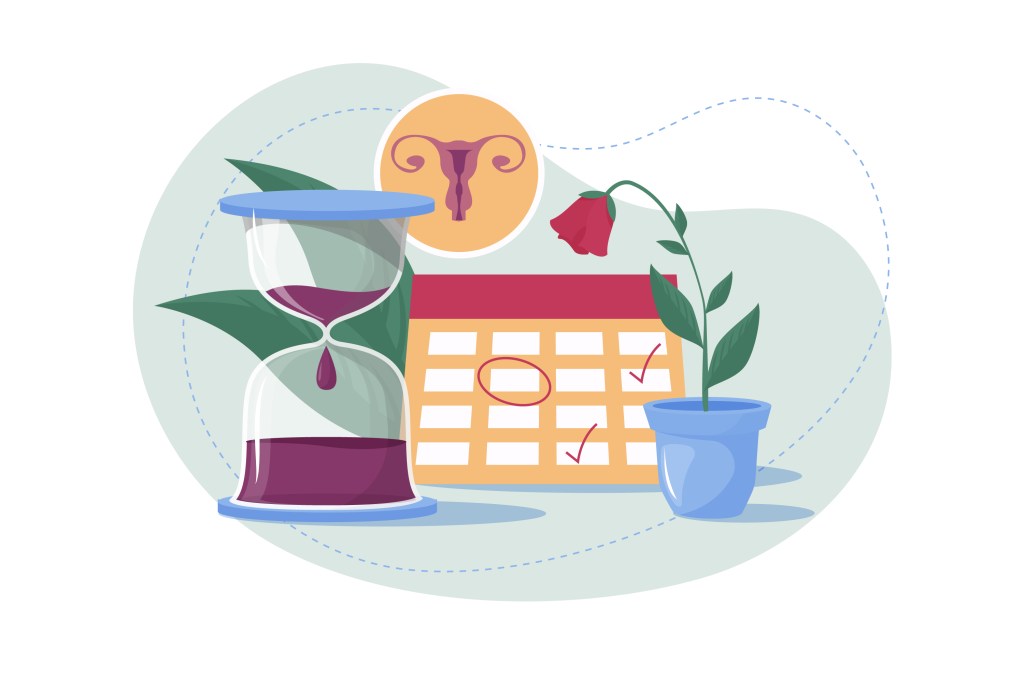
Your body speaks its own secret language, and fertility awareness (also known as natural family planning) is the key to unlocking it. By learning to recognize the signs of fertility that your body shares, you can take charge of your health, whether you’re planning for a baby, seeking natural contraception, or simply curious about your cycle. Let’s explore the fascinating ways your body keeps you informed about its most fertile days!
What Are Natural Fertility Indicators?
Natural fertility indicators are like your body’s built-in menstrual cycle trackers. They provide clues about when you’re most fertile, offering insight into your reproductive health without relying on hormones or invasive methods. Understanding these signs empowers you to make informed decisions tailored to your unique cycle.
Key Indicators and Their Significance
- Basal Body Temperature (BBT)
Your BBT—a measure of your body’s resting temperature—rises slightly after ovulation. Tracking this daily creates a roadmap of your cycle, helping you identify when ovulation occurs. It’s like having a thermometer as your personal fertility assistant! - Cervical Mucus Changes
As ovulation approaches, cervical mucus becomes clear, stretchy, and slippery—perfect for helping sperm reach the egg. Learning to observe these changes offers a reliable way to pinpoint your most fertile days. - Cervical Position
During ovulation, the cervix is softer, higher, and more open. Checking its position provides yet another clue about your fertility window. - Cycle Patterns
By tracking the length and phases of your cycle, you can anticipate ovulation and plan accordingly. Think of it as decoding a monthly rhythm that helps you understand your body better.
A Few Things to Keep in Mind
Natural fertility awareness may not be suitable for everyone, as certain factors can make it unreliable or challenging. These include irregular periods, recent hormonal contraception use, or life events like miscarriage, childbirth, or breastfeeding, which can disrupt fertility signals. Health conditions like polycystic ovary syndrome (PCOS), thyroid disorders, or infections such as STIs can also alter the signs used for tracking. Additionally, medications affecting cervical mucus, stress, frequent travel, or alcohol use may interfere with accurate monitoring. Consider these factors before relying on fertility awareness methods.
Is It Right for You?
Natural fertility awareness is perfect for women seeking hormone-free, faith-aligned, or eco-friendly ways to manage fertility.
However, Natural fertility awareness may not be suitable for everyone, as certain factors can make it unreliable or challenging. These include irregular periods, recent hormonal contraception use, or life events like miscarriage, childbirth, or breastfeeding, which can disrupt fertility signals. Health conditions like polycystic ovary syndrome (PCOS), thyroid disorders, or infections such as STIs can also alter the signs used for tracking. Additionally, medications affecting cervical mucus, stress, or frequent travel may interfere with accurate monitoring. Consider these factors before relying on fertility awareness methods.
Conclusion
Your body’s signals are a powerful tool for understanding your health. By tuning into your natural fertility indicators, you’ll unlock a wealth of knowledge that empowers you to make confident choices. Whether you’re planning a family or simply embracing your natural rhythms, fertility awareness is a journey worth taking.
Apps like Afifa can help, notably to track cycle patterns and predict fertility periods, making tracking effortless and offering tailored tools to help you stay on top of your cycle.
Image designed by Freepik
 Afifa app
Leave a comment